Inter-American Accreditation Cooperation, A.C.
Lima, November 2025
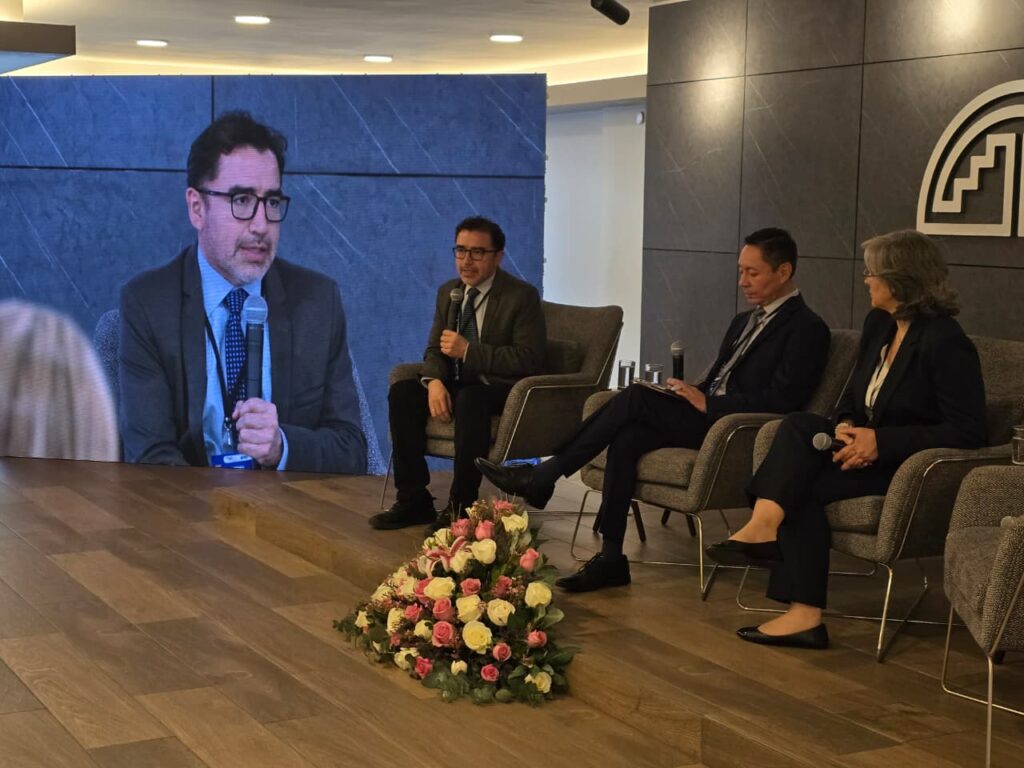
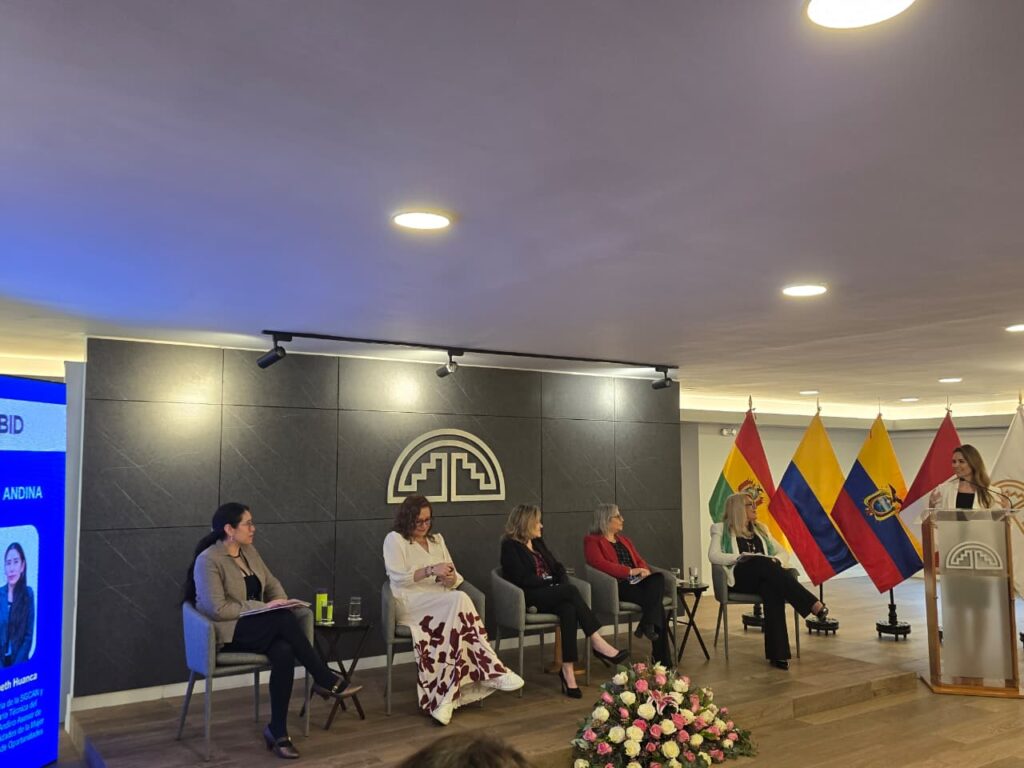
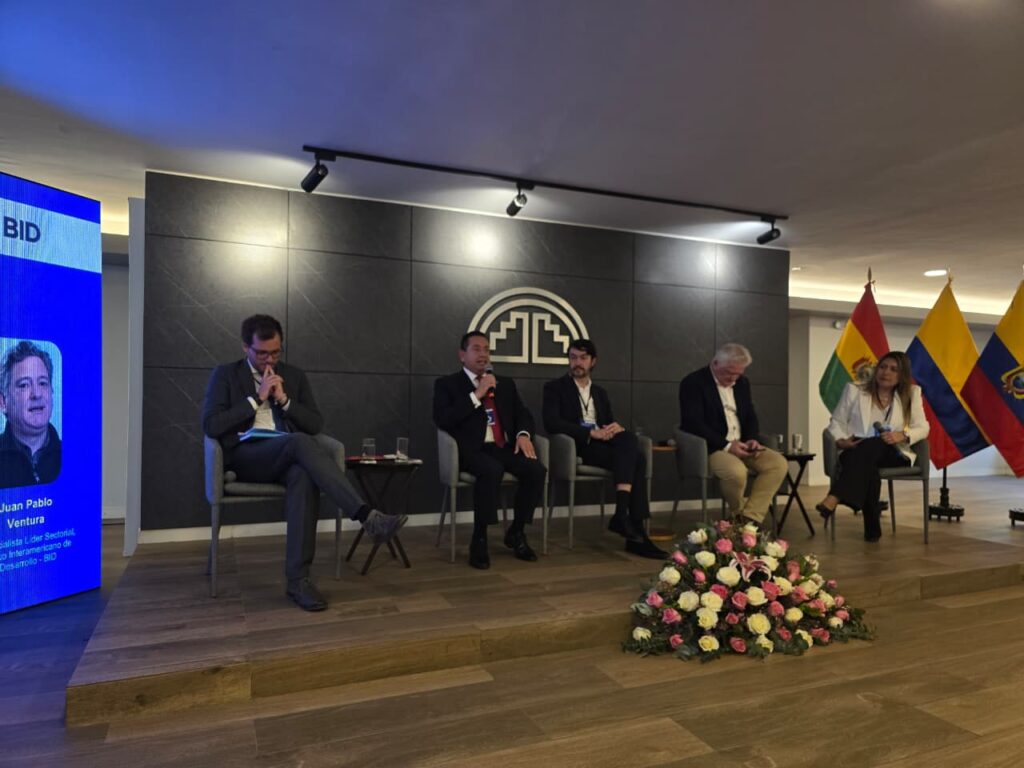
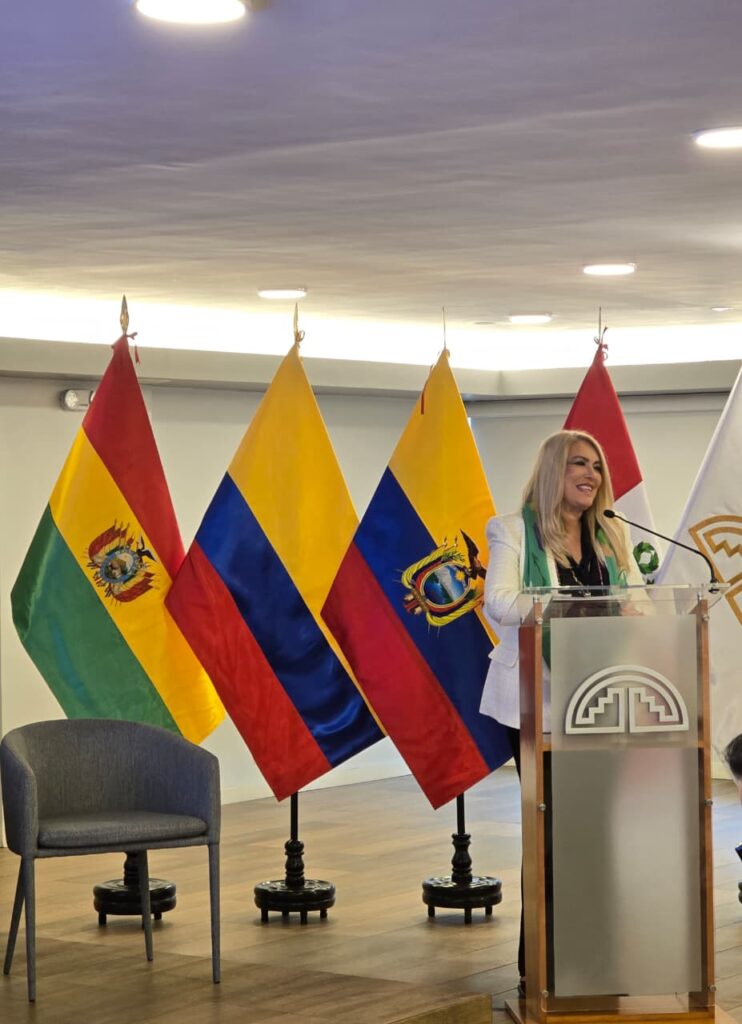
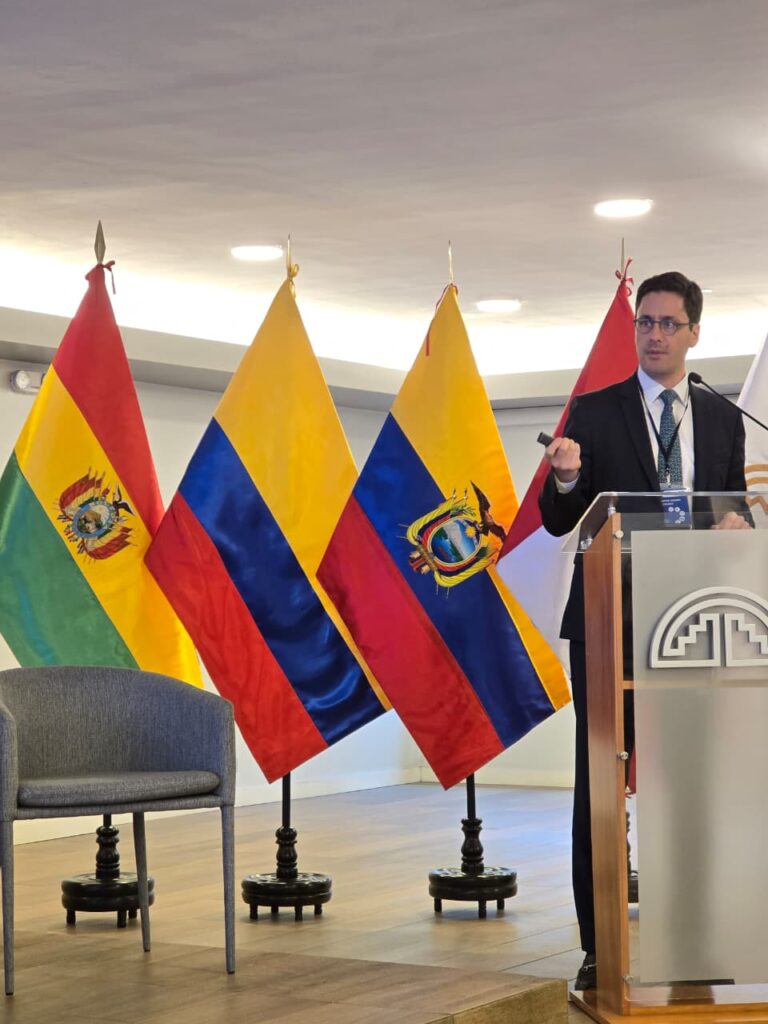
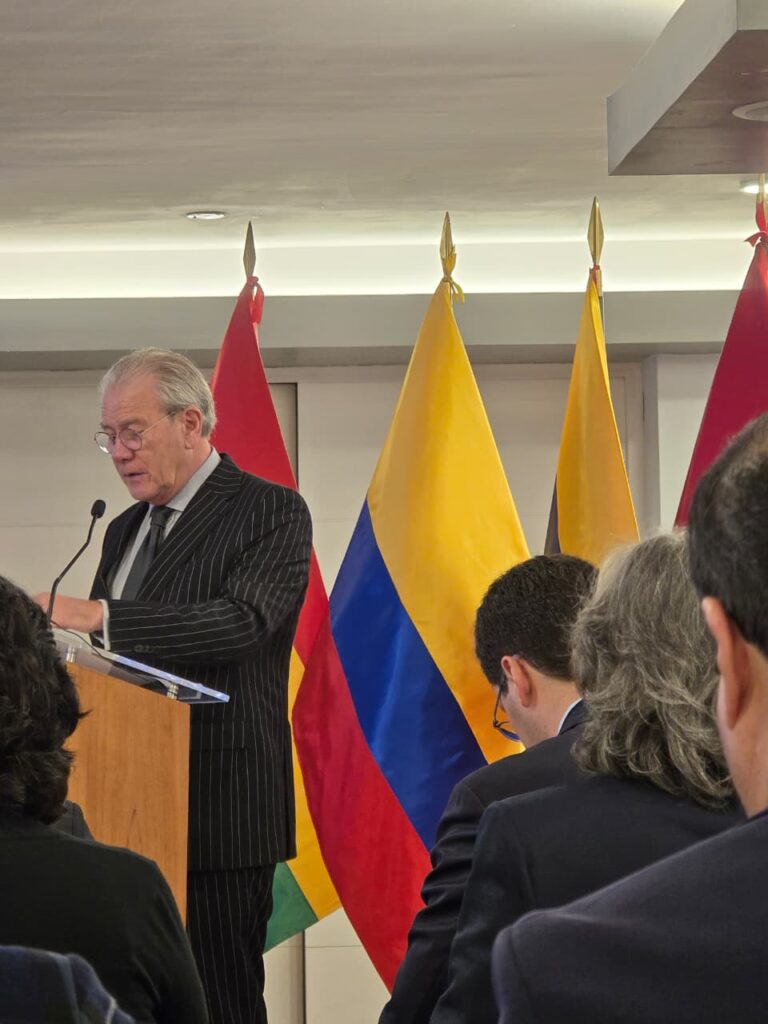
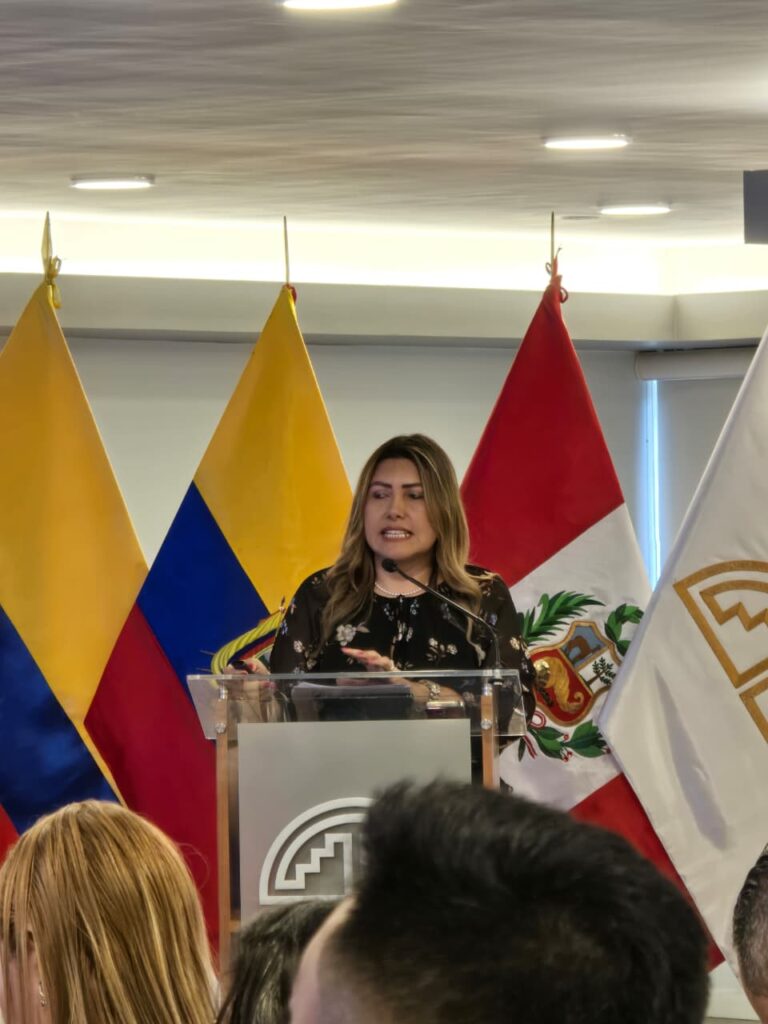
The Inter-American Accreditation Cooperation (IAAC) actively participated in the Andean Quality Meeting, a high-level regional event organized by the General Secretariat of the Andean Community (SGCAN) to strengthen the Andean Quality System (SAC) and to present new digital tools developed with the support of the Inter-American Development Bank (IDB).
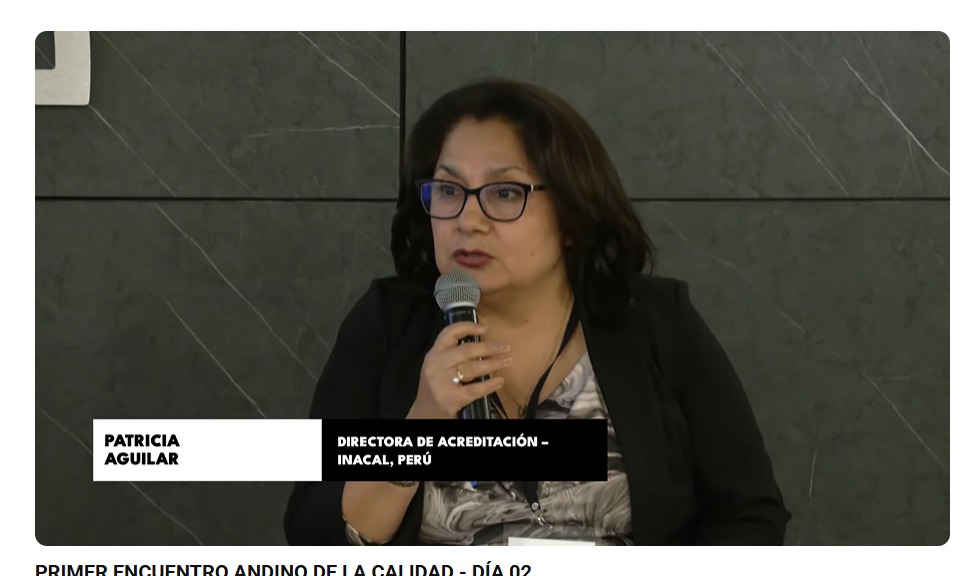
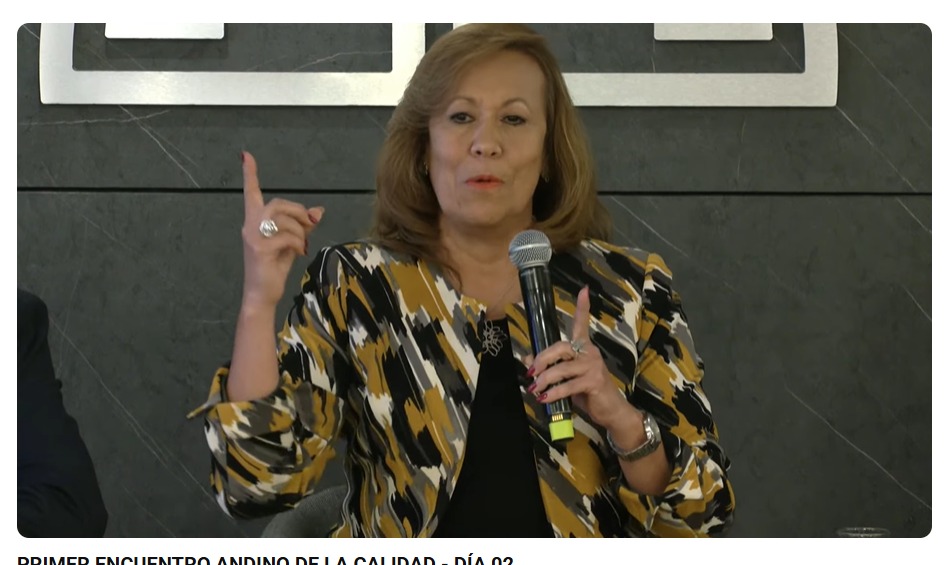
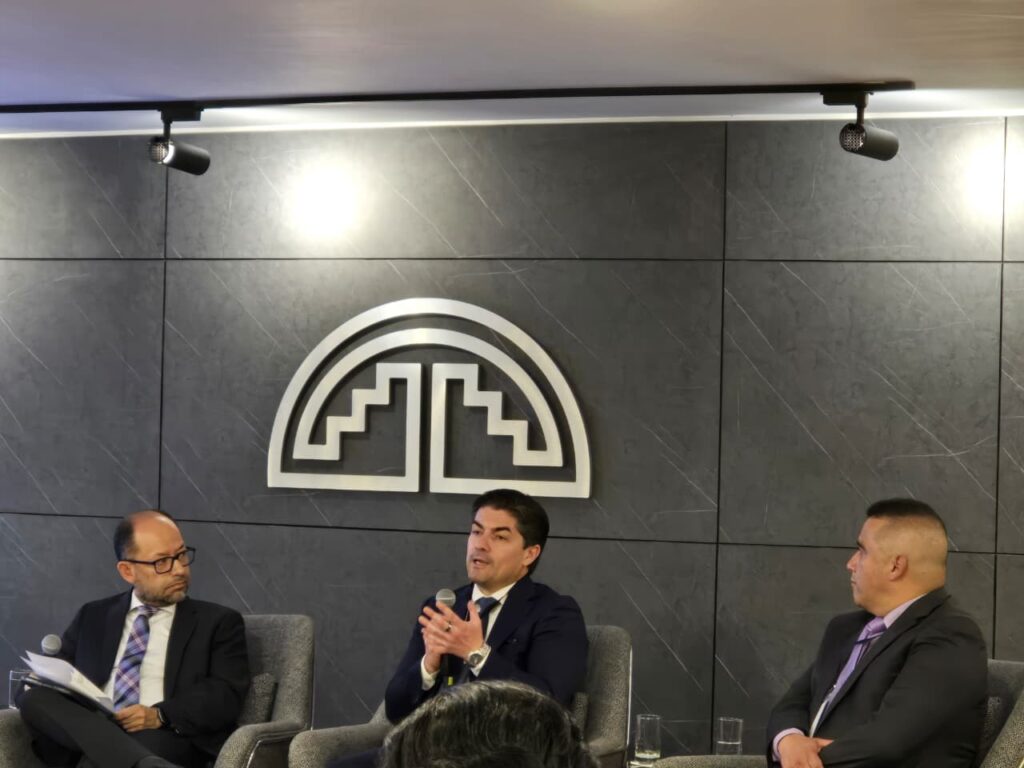
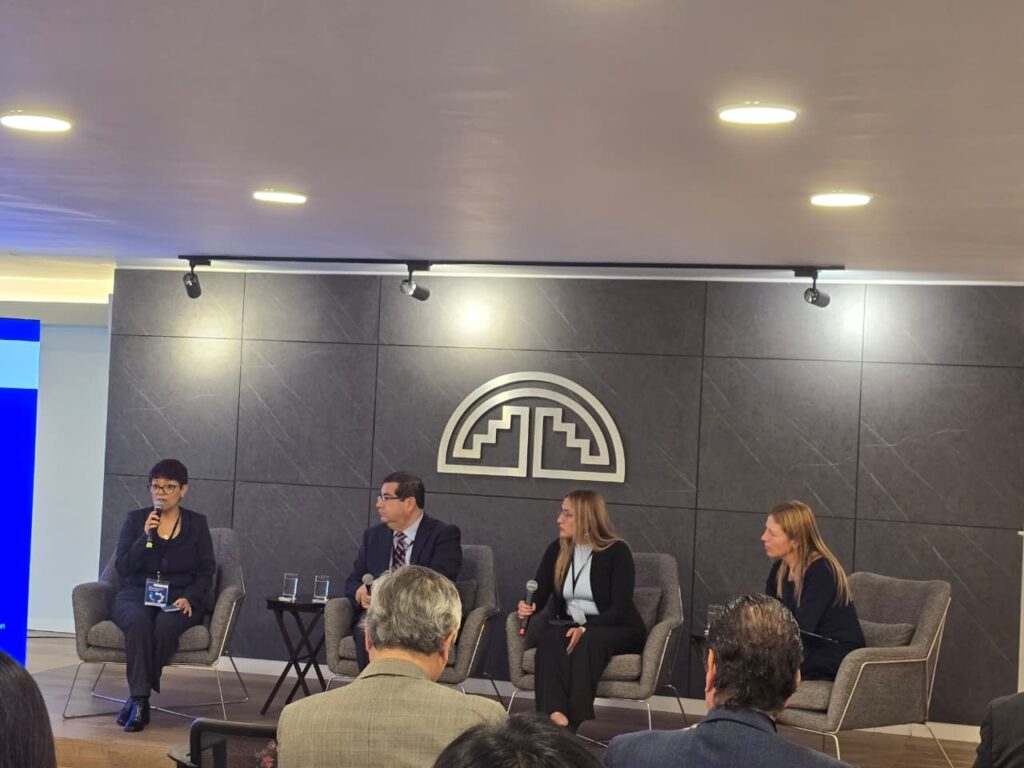
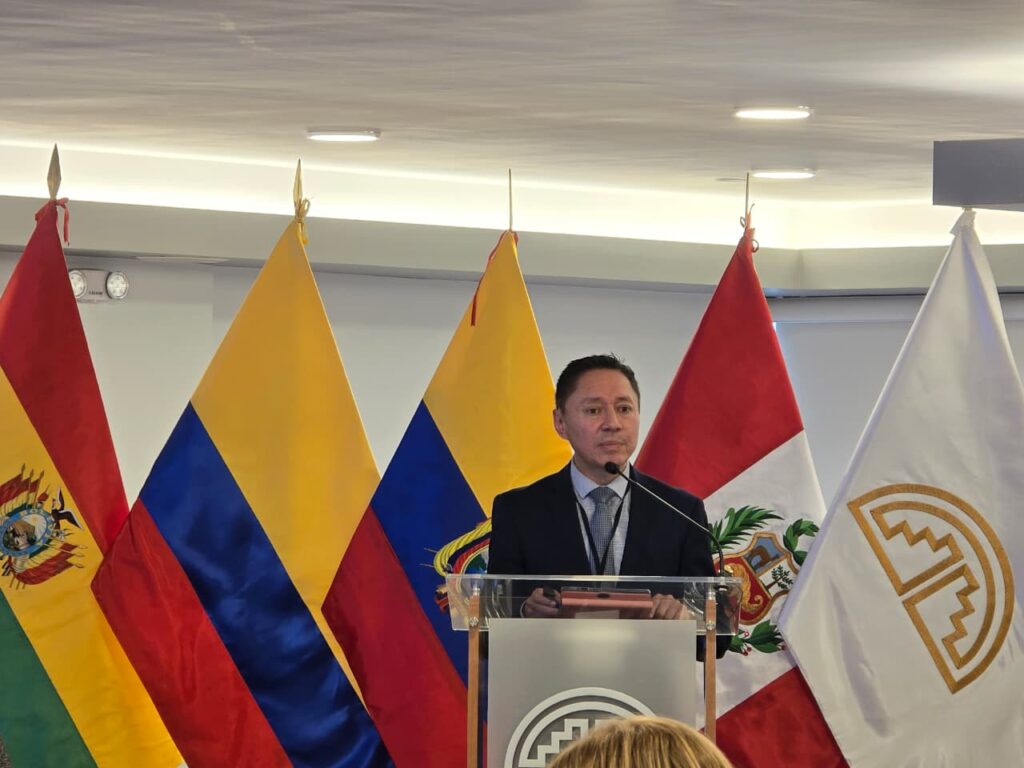
Held on 25–26 November, the event brought together government authorities, national quality infrastructure institutions, private-sector representatives, international cooperation partners, and experts in accreditation, metrology, standardization, and technical regulation. Among the participants were senior officials from INACAL (Peru), ONAC (Colombia), SAE (Ecuador) and ema (Mexico) —the latter also representing the MUSICA initiative. The livestream through the official channels of the Andean Community strengthened transparency, openness, and public access to regional technical information.
The Andean Community and Its Relevance for IAAC
The Andean Community (CAN) is a regional integration mechanism composed of Bolivia, Colombia, Ecuador and Peru, aimed at strengthening intraregional trade, competitiveness, and innovation through common policies and harmonized frameworks.
Within this framework, the Andean Quality System (SAC) —established under Decision 850— integrates the pillars of metrology, standardization and accreditation, forming the technical infrastructure that underpins trust, technical competence, and quality in products and services across the region.
For IAAC, participation in this meeting is strategically relevant because:
Key Developments Presented at the Meeting
Throughout the two-day program, key milestones of the IDB Project RG-T3991, designed to strengthen the quality infrastructure of the Andean region, were presented. Among the most notable achievements were:
✔ Andean Register of Evaluators and Technical Experts, a regional mechanism designed to facilitate the exchange of expertise and reduce gaps in specialized human resources.
✔ Andean Search Engine for Accredited Conformity Assessment Bodies, a tool that improves access to accredited services across the region.
✔ Andean Quality Virtual Classroom, a digital platform for continuous training of evaluators, technical experts, and quality professionals.
The thematic sessions addressed priority issues for the region:
The program also featured several high-level keynote conferences, offering strategic perspectives on the evolving challenges of the Andean quality ecosystem:
In addition, the meeting included a presentation of ANDIMET, delivered by María del Rosario González, Director of the National Institute of Metrology of Colombia (INM), highlighting advances by the Andean Metrology Network and its contribution to strengthening the SAC.
IAAC’s Participation
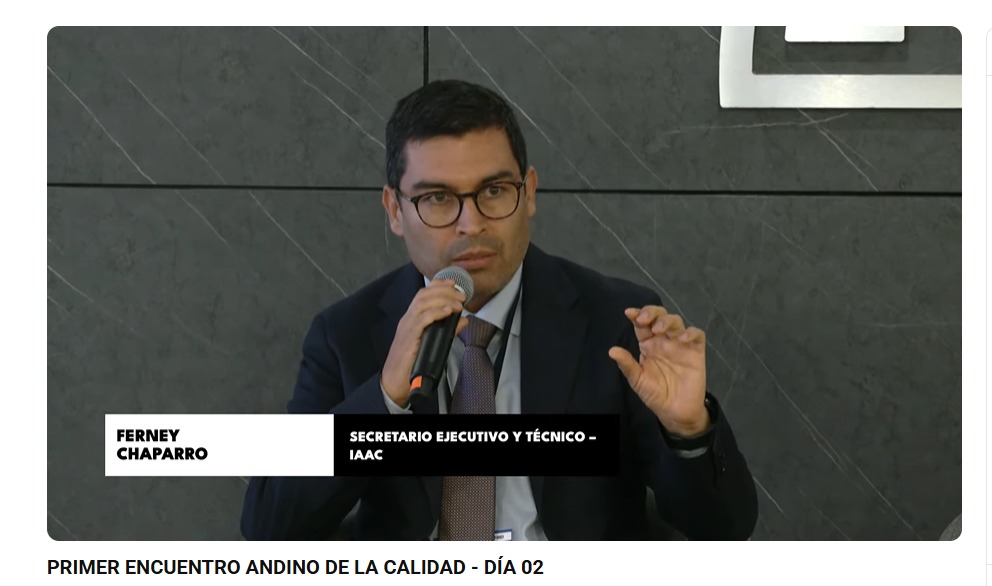
IAAC contributed to several components of the program, with a notable intervention by the IAAC Executive and Technical Secretary, Ferney Chaparro, in the panel:
“Challenges for the Andean Quality Infrastructure in Sustainability Standards”
During his intervention, IAAC presented its work in three strategic areas:
IAAC reaffirmed its commitment to supporting the Andean Community in strengthening the SAC and advancing international best practices under the Multilateral Recognition Arrangements.
“A Milestone for the Andean Quality System”
As highlighted in the official press release of the Andean Community, the meeting marked a significant step forward in the deployment of tools that will enhance competitiveness and regional harmonization in quality.
Official release:
🔗 https://www.comunidadandina.org/notas-de-prensa/presentan-herramientas-digitales-para-fortalecer-sistema-andino-de-la-calidad/
Event livestream:
▶️ https://www.youtube.com/live/6rMsVBx4giE

Information